Healthy and Sustainable Seafood Choices
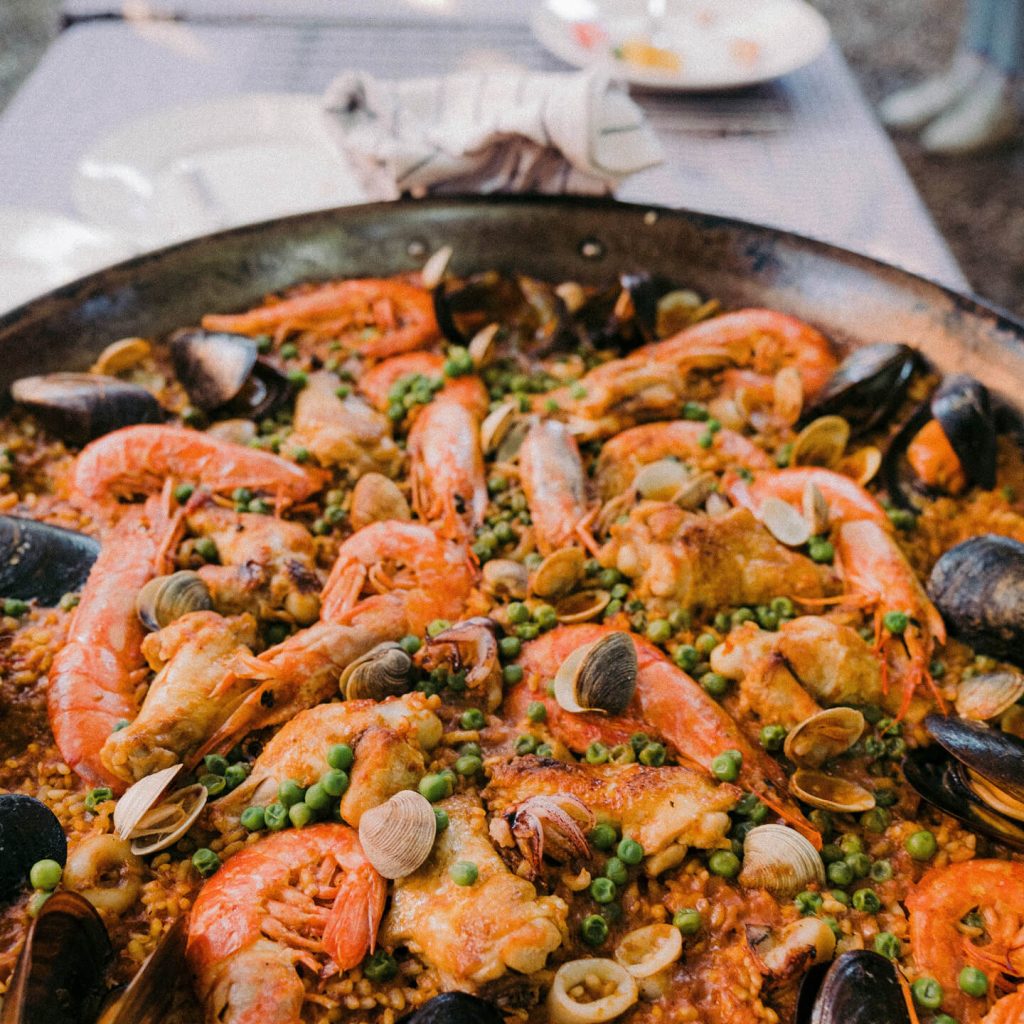
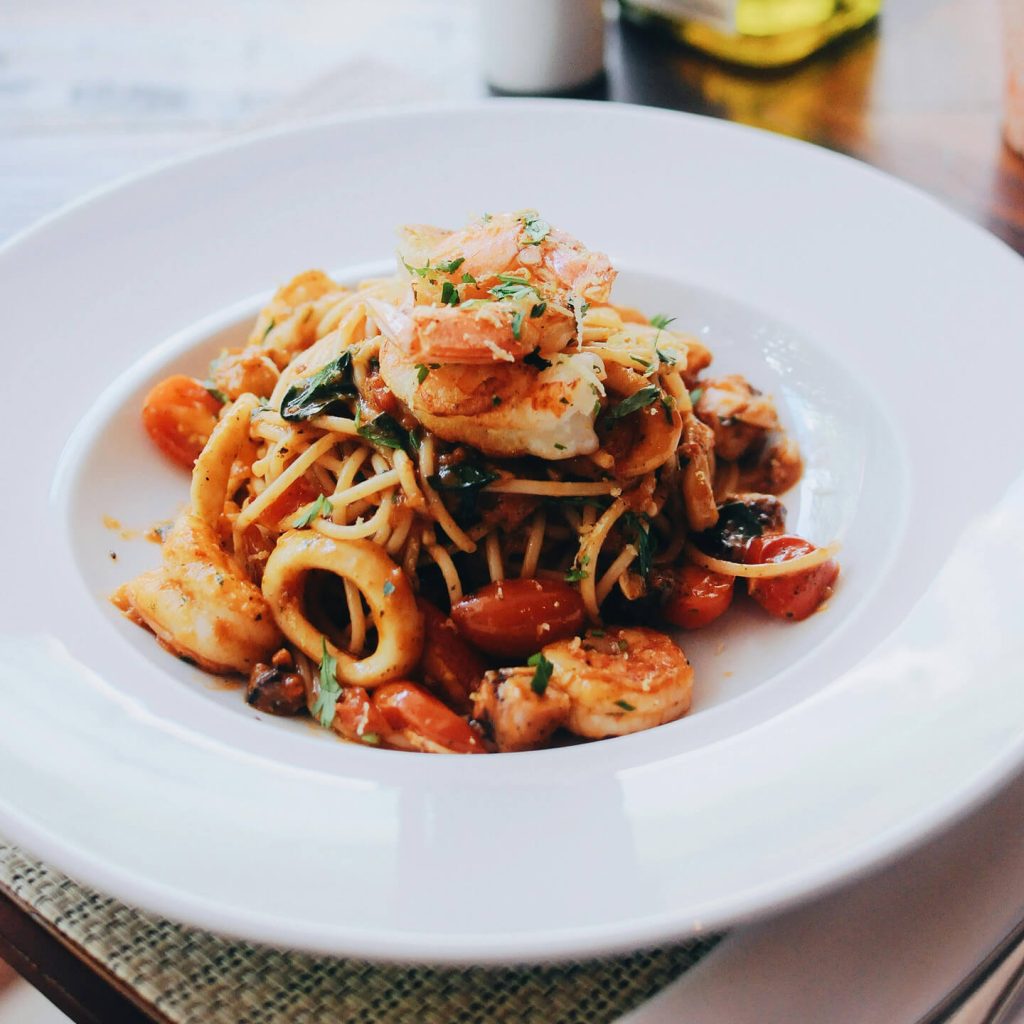
If you’re new to seafood, the options can feel overwhelming. From canned tuna to tropical firm fish, the variety is vast. To help, we’ve highlighted a few healthy, sustainable picks so you can try a bit of everything and even swap some meat dishes for seafood alternatives.
We’ve focused on seafood that’s good for you and better for the environment.
Healthy and Sustainable Seafood Selections
Buying seafood today isn’t as simple as asking for a fresh fillet. Supporting sustainable fishing practices matters. Even choosing wild-caught salmon over farmed can reduce your carbon footprint.
To guide your decisions, here are five nutritious, environmentally responsible options — based on FDA & EPA advice and the Seafood Watch program.
1. Clams and Clam Meat
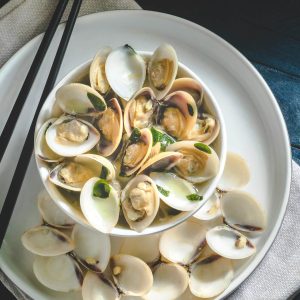
Clams are a sustainable choice, whether wild-caught or farmed. They’re rich in protein, magnesium, potassium, and iron. For beginners, baby clams offer a mild flavor, while clam meat is perfect for quick salads and pasta. Always check local advisories when eating fresh-caught shellfish.
2. Calamari Tubes and Tentacles
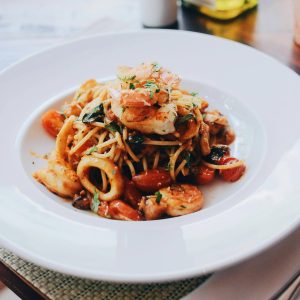
Calamari (squid) is high in protein (about 18g per 4 oz), vitamin C, calcium, and iron. It’s versatile — try rings as a snack, tubes for stuffing, or tentacles fried until crispy. With its firm texture and mild flavor, squid is an easy low-fat alternative to meat.
3. Scallops

Scallops are low in fat, high in protein, and packed with B12 and omega-3s. They’re environmentally friendly whether farmed or wild-caught. Enjoy seared with lemon or bake half-shell scallops under the grill with your favorite garnish.
4. Hake
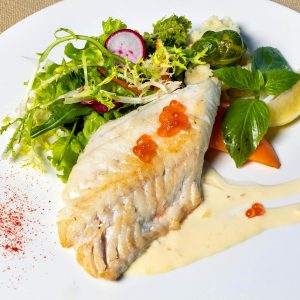
Hake is a lean white fish, low in saturated fat and a strong source of protein. Look for the MSC blue label to ensure it comes from a certified sustainable fishery (see the MSC Fisheries Standard).
5. Red Drum
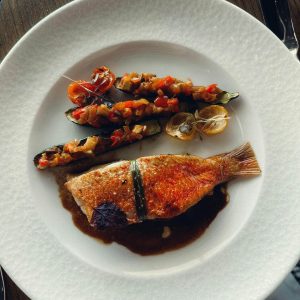
Also known as redfish, red drum is rated a “Best Choice” by Seafood Watch. This lean fish is rich in protein, calcium, selenium, and niacin while being low in fat and calories — making it an ideal option for a balanced diet.
The Bottom Line
By choosing sustainable seafood like clams, calamari, scallops, hake, and red drum, you can enjoy nutritious meals while supporting healthy oceans. Explore more guides on the PanaPesca blog.